Symptoms and changes
Start with what feels different.
These guides explain the range of possibilities, what changes urgency, and what you can do safely while arranging care.

 01
01Color, amount, texture, or timing
Discharge changed
Discharge naturally varies across the menstrual cycle, arousal, pregnancy, and hormonal changes. A new pattern plus odor, itching, pain, bleeding, or urinary symptoms deserves a closer look. 02
02A new, strong, or persistent smell
Odor feels different
A vagina is not odorless. A mild scent that changes with activity, sweat, sex, or a period can be typical. A distinctly new or strong odor, especially with discharge or discomfort, can be a reason for evaluation. 03
03Irritation inside or outside
Itching or burning
Itching and burning can come from irritants, infections, skin conditions, dryness, friction, or urinary problems. Location, timing, skin changes, and accompanying symptoms matter. 04
04With touch, penetration, urination, or at rest
Pain or pressure
Pain is real and worth evaluating. It can involve skin, tissue, infection, pelvic-floor muscles, the bladder, reproductive organs, nerves, or more than one factor.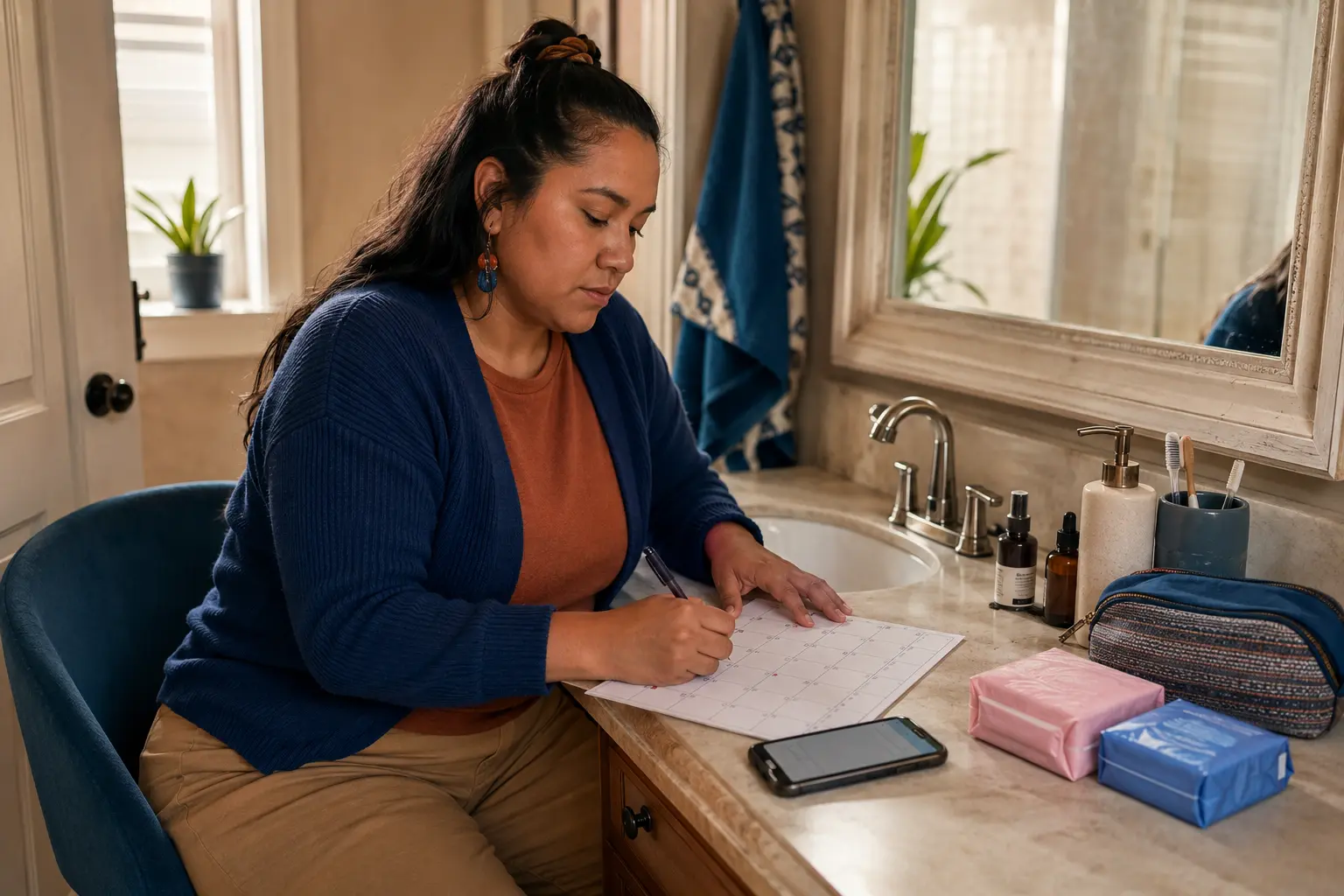 05
05Outside an expected period or after menopause
Bleeding or spotting
Bleeding can come from the vulva, vagina, cervix, uterus, urinary tract, or rectum. Timing, amount, pregnancy possibility, menopause status, pain, and other symptoms guide urgency.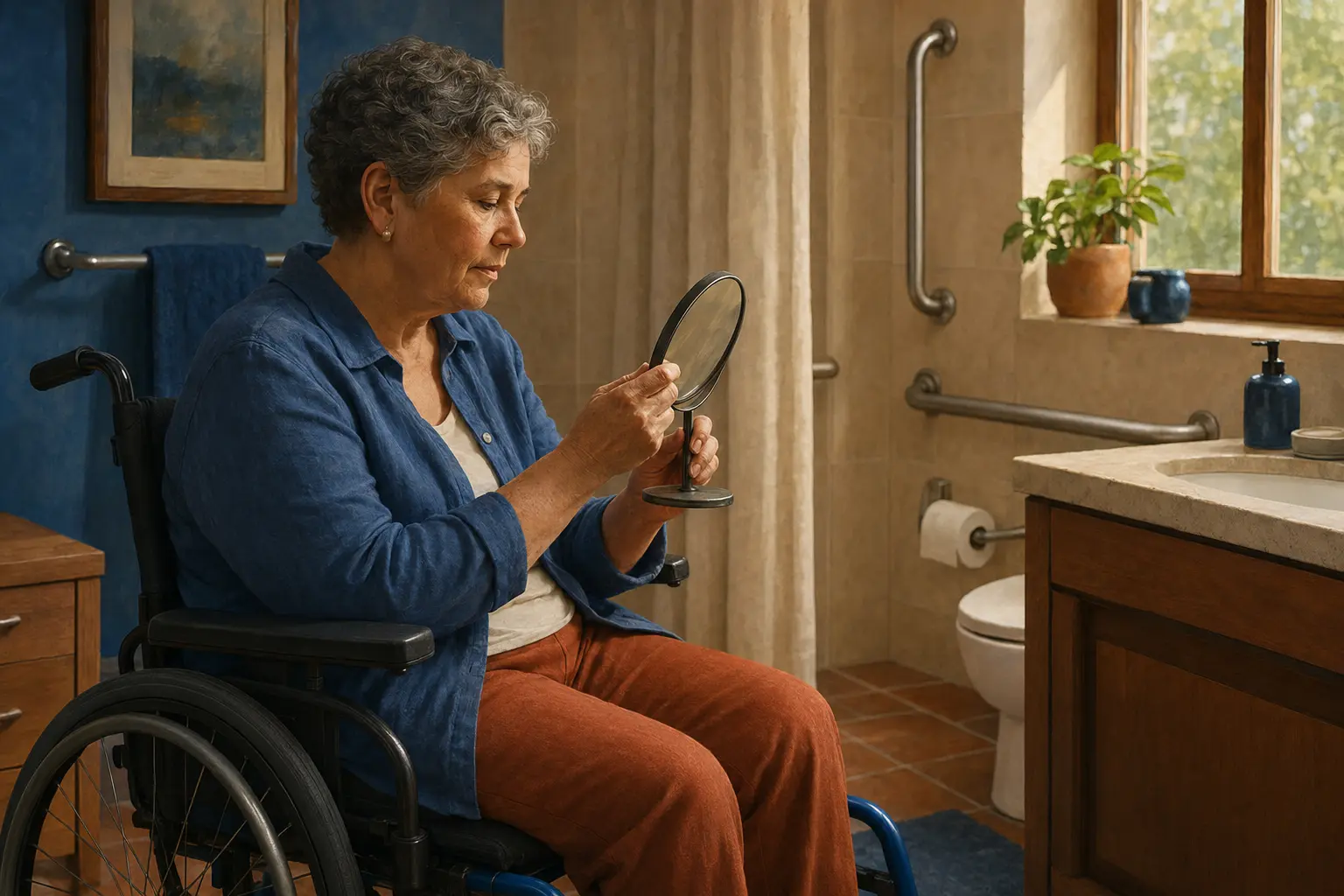 06
06A bump, sore, color change, or texture change
Lump or skin change
Vulvas naturally vary in color, shape, texture, and symmetry. New or changing lesions still deserve attention, especially when they persist, hurt, itch, bleed, ulcerate, or do not heal. 07
07Friction, tearing, sensitivity, or less lubrication
Dryness or tissue change
Dryness can happen with menopause, postpartum or breastfeeding changes, testosterone, medications, cancer treatment, arousal differences, irritation, and other factors. 08
08Burning, urgency, leakage, or trouble urinating